
Approach to Care
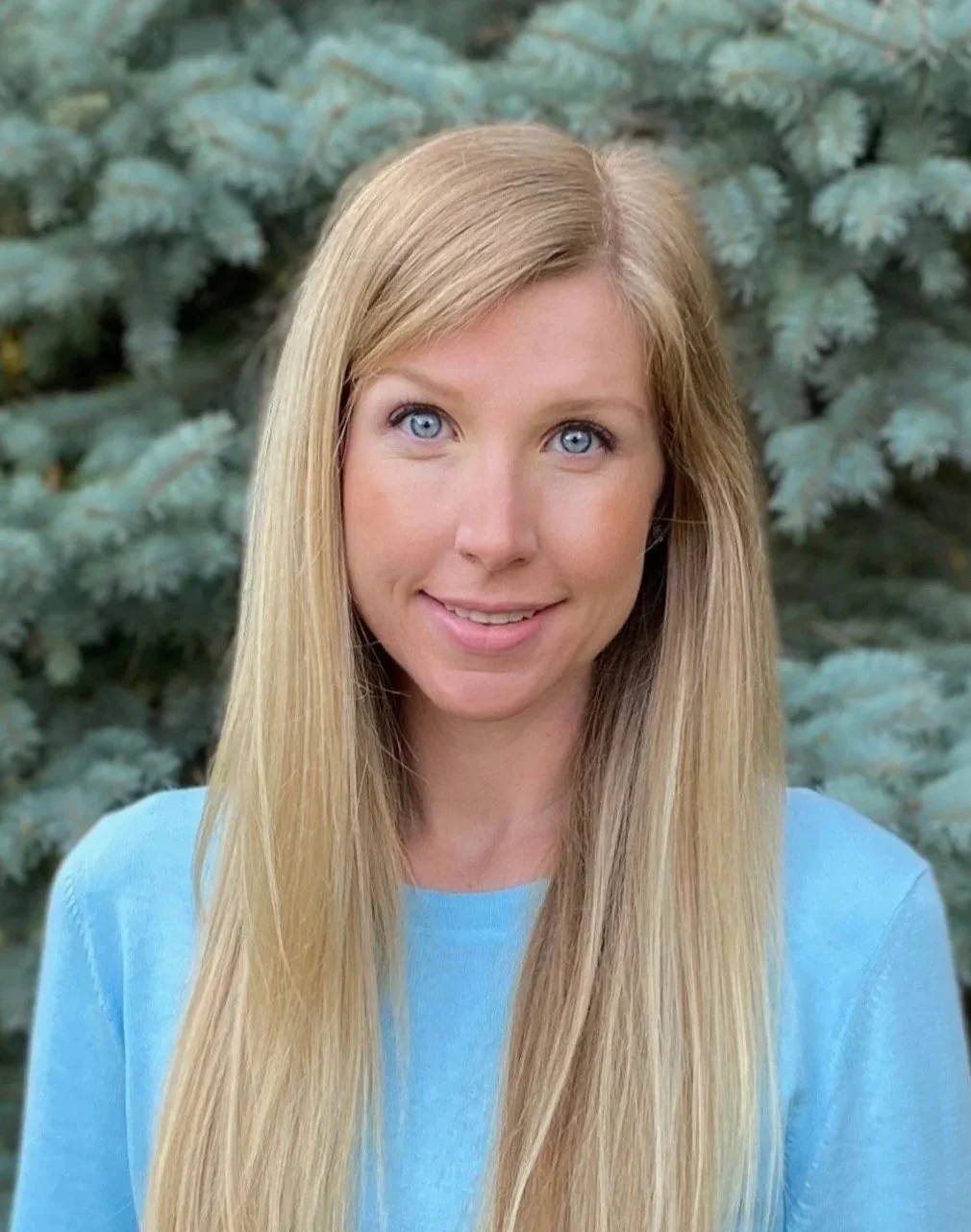
My style is warm, collaborative, and grounded in science. Doing meaningful work together begins with safety and acceptance, in a space where you feel known and heard in the identities that matter most to you. From there, we can look with curiosity and compassion at what is happening: what's working, what may no longer be working, and what you haven’t tried yet. My hope is that the understanding we build lets you act with intention to create a life that reflects what matters to you.
Frames for the work
How I work depends on what you're experiencing, how you want to work, and what is most likely to be effective. Like many evidence-based treatments, my work integrates different theories, along with your lived experiences and relevant research. As we go, I'll periodically comment on what I'm using and why so the work doesn't feel like a mystery.
Whatever the approach, my aim is consistent: building an accurate, shared understanding of what you’re experiencing so we can work with it in ways that foster growth and allow you to ways of being that feel satisfying to you.
Emotion-focused, experiential work: Creating safety to notice, organize, and move through what you’re feeling, rather than talking about it from a distance
Insight-oriented, psychodynamic work: Understanding where patterns came from, whether they are still working, and what keeps them in place
Attachment perspectives: Looking at how we seek and offer security, including how that shapes relationships, parenting, and responding to emotions in others
Mindfulness and present-moment awareness: Slowing down, experiencing, and practicing noticing what's happening as it happens

Developmental, systemic, and behavioral perspectives: Considering the context you're in and working with the people and places that can help foster change and well-being
Acceptance and Commitment Therapy (ACT): Changing how you relate to thoughts and feelings, figuring out what’s important, and taking meaningful action
Relational, interpersonal approaches: Noticing patterns of connection with others, including using our interactions to create new understanding
Family systems and parent training: Supporting children and families by helping parents learn new ways of responding and relating to their children living with ADHD, anxiety, and autism
How I show up
It's hard to know what it will feel like in the room until you try it. Here are some things I value and ways I commit to showing up with you:
Present: I aim to keep things slow enough that we can fully take in what's happening: words that stand out, feelings that come up, and own back and forth process. At the same time, I am not a therapist who will simply nod at you through the session.
Non-judgmental: My understanding of people is that they are doing their best, no matter how it works out or where it takes them. I hope my clients can feel and believe this in a way that allows them to be open with themselves and in our therapy space.
Supportive: Meeting with me and looking at what's difficult is brave and should be celebrated. I commit to walking with you through hard things, being next to you while we look at them, and helping you build compassion where it is needed.
Authentic: I commit to being me and offering you my honest reactions. I am consistently supportive, but I won't simply say things in the interest of making you feel better.
Curious: I ask questions and listen closely, giving you space to both narrate your own experience and to consider things in new ways.
Open: I'll offer my observations, patterns I notice, and potential connections between experiences, thoughts, and feelings. If you're wondering what I'm thinking about something, I hope you'll ask so we can look at it together.
Responsive: Therapy is a relationship, and your input allows me to be a more effective helper. When I misunderstand or I’ve got it wrong, I invite you to tell me. If you need more or less of something, I try to create space for you to tell me that. My goal is for you to get what you need, and if there are ways I can adjust to make that happen, I am delighted to make the shift.
Reflective: I do my best to know and address my own blind spots and I commit to continually learning, growing, and considering what I don't know.
Collaborative: I strive to keep the work focused on what's important to you, and I'll continually invite your input on progress, goals, and where we put our focus. I'll offer clinical expertise, while firmly holding that your own knowledge and preferences are key components of effective work.